










Agrifood
Food products with information on origin, production and sustainability.
Centralise technical information, certificates and production data in a single platform.
The Digital Product Passport (DPP) centralises all your product intelligence in a single, accessible ecosystem. More than a regulatory requirement, it is a strategic tool that connects the origin of raw materials to the end consumer.
More information. More trust. Better decision.
Get in touchThe DPP will be mandatory in phases. Anticipate compliance for your sector.
Approval and entry into force of the ESPR Regulation and definition of the first technical requirements
Extension to strategic sectors, such as textiles, batteries, construction and microelectronics
Gradual extension to new products and value chains, including agrifood, with specific requirements still under development
Approval and entry into force of the ESPR Regulation and definition of the first technical requirements
Extension to strategic sectors, such as textiles, batteries, construction and microelectronics
Gradual extension to new products and value chains, including agrifood, with specific requirements still under development
Although timelines vary by sector, the European direction is clear: companies should start now to map data, processes and systems.
Access the product history in four steps:
Locate the code (QR or NFC) on the product packaging or label.
Scan using your phone camera (no app required).
Instantly view the product's personalised digital page.
Explore all information about origin, production and sustainability.
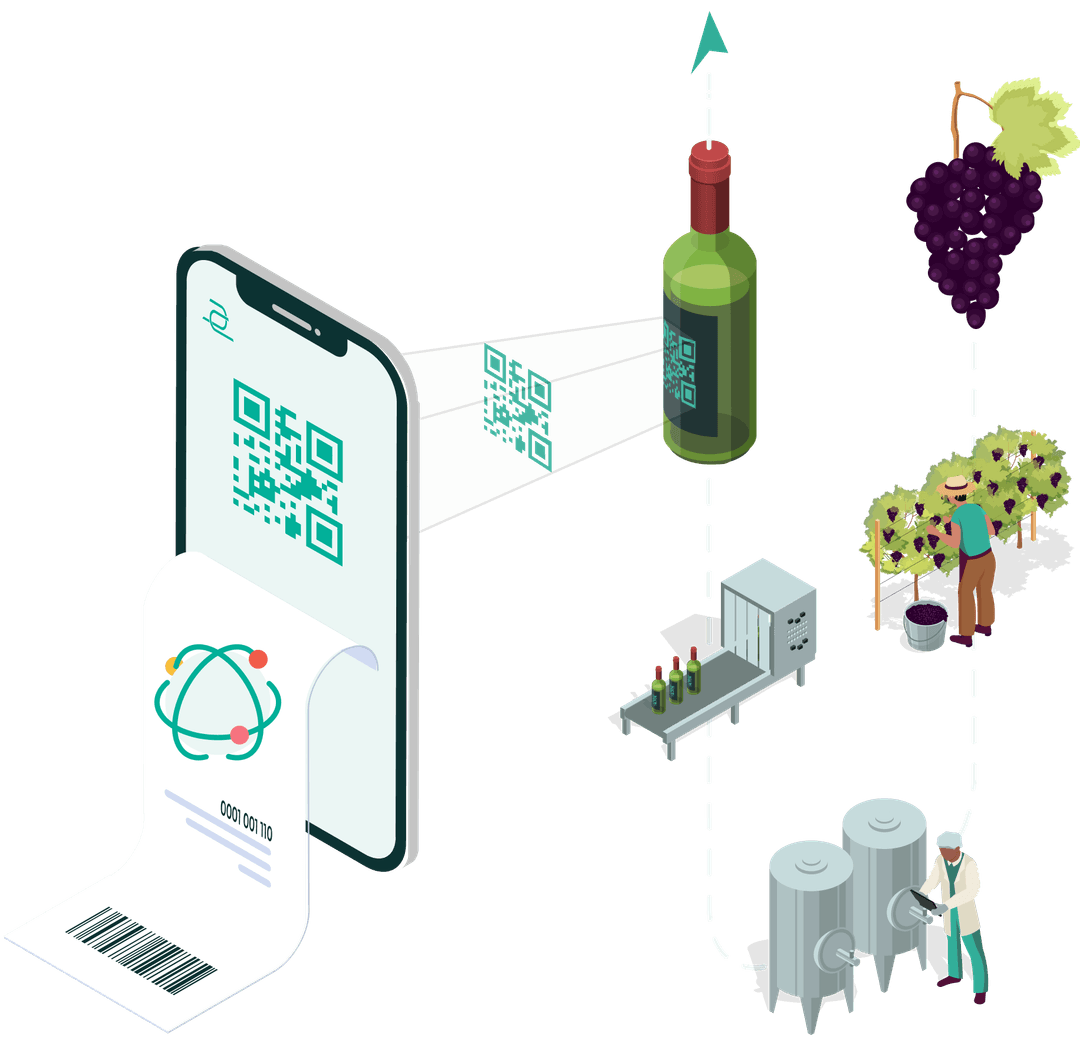
Food products with information on origin, production and sustainability.

Textile products with fibre traceability, production processes and certifications.

Electronic products (batteries) with information on origin, manufacturing, performance, lifecycle, recyclability and environmental impact.

Construction products with material traceability, environmental impact, certifications and reuse potential.

This solution was developed by Data CoLAB, an innovation Collaborative Laboratory focused on creating digital solutions based on data, artificial intelligence and interoperability.
In the context of the Digital Product Passport, Data CoLAB operates at the intersection of technology, sustainability and regulatory requirements, developing tools that enable organisations to structure, manage and share product data in a transparent and efficient way.